

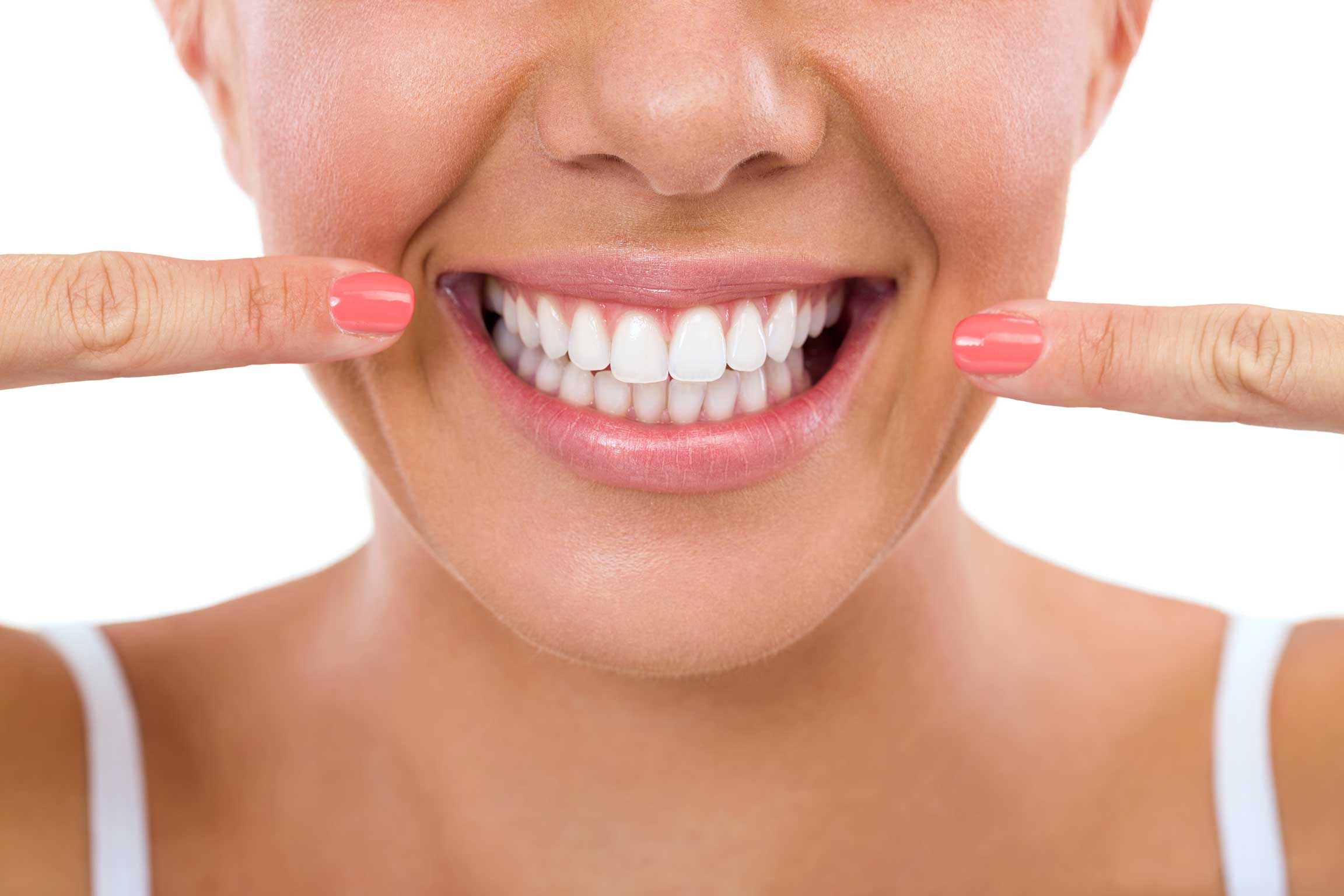
Teeth whitening is an aesthetic dental procedure that reduces natural or acquired discolouration. Whitening agents typically contain hydrogen peroxide or carbamide peroxide.
Whitening can lighten teeth in suitable patients. How well it works depends on the starting shade, enamel and dentine, existing restorations and the cause of discolouration. Different causes may call for different approaches.
My priority is to achieve a lighter shade while protecting the health of the teeth and surrounding tissues.
What Is Teeth Whitening?
Whitening uses a chemical process to lighten tooth shade. Enamel translucency and the colour of the underlying dentine influence appearance alongside surface stains. Professional cleaning removes plaque, tartar and some external stains. Whitening changes the shade of the teeth themselves. Each procedure serves a different purpose.
Why Do Teeth Yellow?
Food and drink
Tea, coffee and some strongly coloured foods can stain tooth surfaces over time.
Tobacco
Tobacco products can cause noticeable surface discolouration.
Ageing
Changes in enamel and greater visibility of the underlying dentine can make teeth look darker with age.
Natural tooth structure
Genetic and developmental factors can give teeth a naturally darker or more yellow shade.
Medication and development
Some medicines taken while teeth are developing and some mineralisation disorders can cause colour changes.
Trauma and root canal treatment
Injury, changes in the pulp or some root canal treatments can darken an individual tooth. This may call for a different approach from general whitening.
Who Is a Suitable Candidate?
Whitening may be considered for people who want to change the shade of their natural teeth and whose oral health is suitable. The protocol is chosen individually.
- Active decay may need treatment first.
- Gum disease warrants periodontal assessment.
- Significant sensitivity may call for a change to the whitening protocol.
- Existing crowns and fillings on front teeth require planning for shade matching.
- Elective whitening is generally postponed during pregnancy and breastfeeding.
- Age, dental development and the need for treatment must be assessed separately in children and adolescents.
What Is Assessed Before Whitening?
The clinician identifies the cause of discolouration and assesses shade, enamel, decay, fillings, crowns, gum health and sensitivity. The patient's expectations also matter. Natural tooth shade, complexion and smile characteristics vary. I aim for a realistic shade suited to the patient's face and smile.
What Whitening Methods Are Available?
In-office whitening
A dentist protects the gums and applies the whitening agent to the teeth in the clinic. Applications may be repeated according to the product. Some systems use light. Outcomes and longevity depend on the protocol and the individual case.
Dentist-supervised home whitening
The dentist provides custom trays and an appropriate whitening product. The patient follows the prescribed duration and instructions at home.
Combined whitening
In-office and home whitening can be combined for selected patients. The method depends on tooth structure, sensitivity and the nature of the discolouration.
How Is Teeth Whitening Done?
1. Examination and shade assessment
The clinician examines the teeth and may record their starting shade.
2. Oral health assessment
Decay, gum disease or other problems may need treatment first.
3. Method selection
The clinician selects in-office, home or combined whitening based on the patient's needs.
4. Whitening
The whitening agent is applied according to the selected protocol.
5. Reviewing the result
The clinician reviews shade change, sensitivity and the patient's expectations together.
How Long Does Whitening Take?
Some in-office treatments can be completed in one appointment, while others need additional visits. Home whitening generally takes several days to several weeks. Starting shade, the cause of discolouration, the product and sensitivity affect treatment duration.
Can Whitening Harm Teeth?
Professional whitening is a generally accepted aesthetic treatment when patients are appropriately selected and the protocol is followed. Temporary tooth sensitivity and gum irritation are the most common side effects. Unsupervised use of highly concentrated products or inappropriate application can harm oral tissues. A dental assessment helps guide the treatment plan.
What Are the Alternatives?
Professional cleaning can be sufficient in some cases. Microabrasion or resin infiltration may suit selected superficial enamel defects. Composite or ceramic restorations may be considered for more pronounced changes in colour or structure. I prioritise conservative options to avoid unnecessary removal of sound tooth structure for colour alone.
What Should I Do After Whitening?
Temporary sensitivity can make very hot or cold foods and drinks uncomfortable. Maintain oral hygiene, avoid smoking and manage habits that contribute to staining. Use any care products recommended by your dentist. Whitening can fade over time, and its duration depends on personal habits and oral care.
When Should I See a Dentist?
Mild, temporary sensitivity can occur. See your dentist for severe pain, persistent sensitivity, significant gum irritation or unexpected colour changes.
What Affects the Cost?
Cost varies by method, number of sessions, product and any additional care. Scaling, decay treatment or another oral health procedure may be needed first. The final plan and cost are determined after examination.
Frequently Asked Questions
1. Is teeth whitening permanent?
The effect can fade. Diet, tobacco use and oral care influence how long the result lasts.
2. Is whitening painful?
Sensitivity may occur during or after treatment. Its severity varies.
3. Can yellow teeth become completely white?
Teeth respond differently. Starting shade and the cause of discolouration affect the result.
4. Will whitening change the colour of fillings?
Composite fillings and ceramic restorations generally do not lighten like natural teeth.
5. Can a root-canal-treated tooth be whitened?
Internal whitening can be considered in selected cases.
6. How many visits are needed?
That depends on the method and how the teeth respond.
7. Can I drink coffee after whitening?
Coffee can contribute to new staining over time. Follow the aftercare advice for your protocol.
8. Does whitening thin the enamel?
Appropriate whitening protocols do not remove enamel through abrasion. Unsupervised use of whitening products can cause unwanted effects.
9. Are scaling and whitening the same?
Scaling removes deposits from tooth surfaces. Whitening aims to lighten tooth shade.
10. Can the teeth yellow again?
Discolouration can recur. Your dentist may consider supervised repeat whitening if appropriate.