

Oral and maxillofacial surgery is a dental specialty concerned with assessing and surgically treating certain conditions affecting the teeth, jawbones and tissues around the mouth. It can include impacted tooth removal, treatment of certain cysts, implant surgery and selected procedures on the jawbone.
Many extractions and other procedures in the mouth can be managed without advanced surgery. The appropriate procedure depends on the patient's clinical condition.
In my Biofunctional Dentistry approach, I consider tissue preservation, long-term restorative goals and chewing function together when assessing whether surgery is needed.
What Is Oral and Maxillofacial Surgery?
This specialty assesses surgical needs involving oral soft tissues, teeth and jawbones. Procedures range from minor interventions to more extensive operations. The scope of treatment varies by patient. Decisions are made after examination and any necessary imaging.
What Procedures Does It Cover?
Impacted tooth surgery
This involves assessing teeth partially or completely trapped in bone or soft tissue and removing them when indicated.
Tooth extraction
Teeth that cannot be saved may be removed using simple or surgical techniques, depending on their condition.
Implant surgery
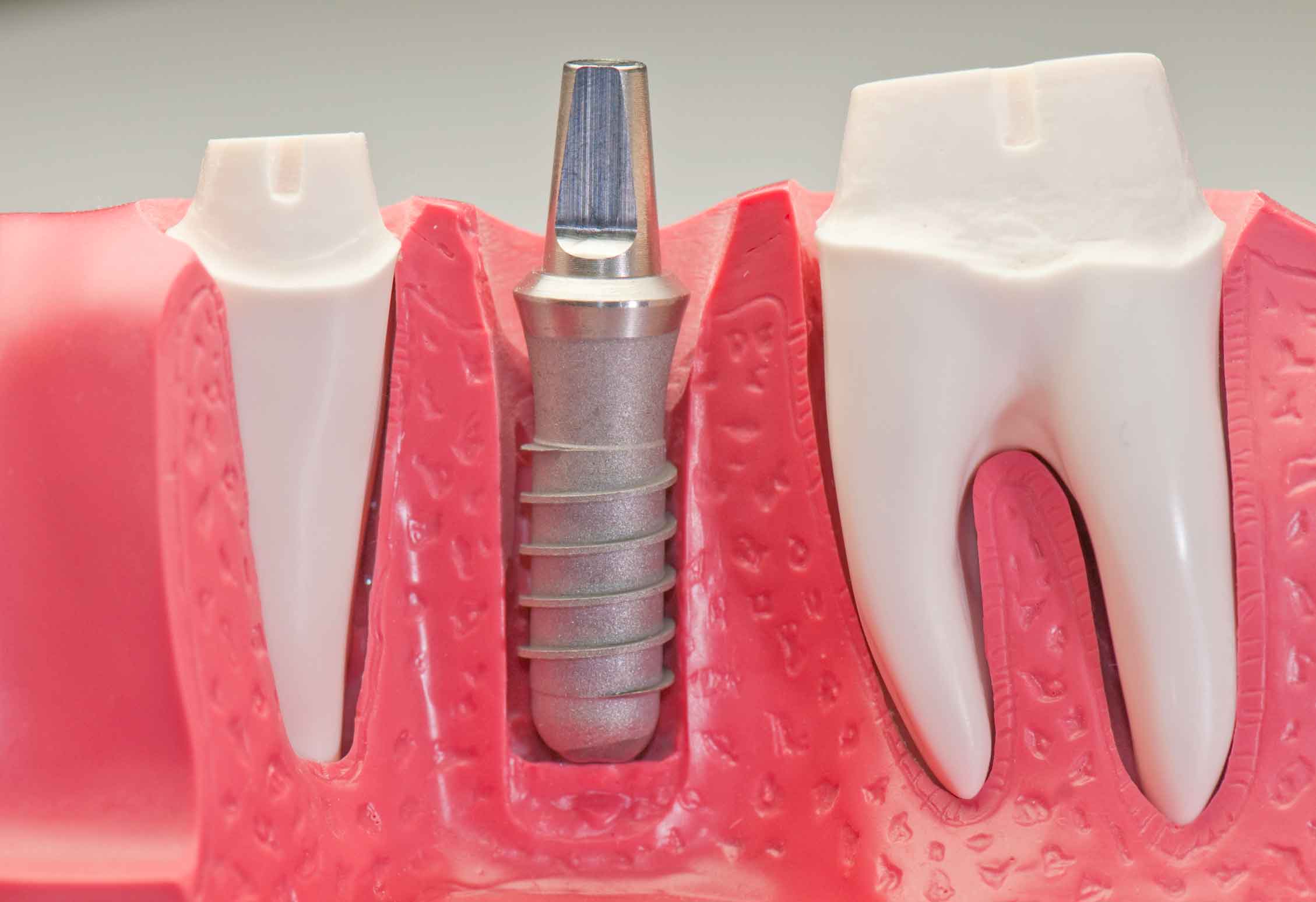
Placing an implant to replace a missing tooth involves a surgical stage.
Bone augmentation
Bone augmentation may be considered for some implant cases with insufficient bone.
Treatment of cysts and pathological lesions
Some lesions found in the jawbones or oral tissues require surgical assessment.
Soft tissue surgery
Selected conditions affecting oral soft tissues may require surgery.
Jaw trauma
Injuries to the jawbones or surrounding tissues may require specialist assessment.
Jaw joint surgery
Surgery may be considered for selected temporomandibular joint disorders.
The procedures available vary by clinic.
Who May Need a Surgical Assessment?
An assessment may be needed for:
- Impacted teeth associated with pain or infection
- Teeth requiring surgical extraction
- Suspicious lesions in the jawbone
- Implant cases requiring bone assessment
- Jaw injuries
- Persistent or unexplained lesions in the mouth
For impacted teeth without symptoms, monitoring and surgery are considered individually.
What Is Assessed Before Surgery?
General health
The clinician reviews medical conditions and medications. Medicines affecting bleeding risk and treatments affecting bone metabolism can be particularly relevant.
Anatomy
The positions of teeth, nerves, sinuses and other structures are assessed.
Infection
The clinician checks for active infection and assesses its extent.
Imaging
Panoramic radiographs or three-dimensional imaging may be used when indicated.
Treatment objective
The clinical problem the procedure is intended to address should be clearly defined.
What Happens During Surgical Treatment?
The process varies by procedure. It generally includes the following stages.
1. Examination
The patient's symptoms and clinical findings are assessed.
2. Diagnosis and planning
Imaging and any additional assessments are carried out as needed.
3. Preoperative discussion
The clinician explains the purpose, possible risks and alternatives.
4. Anaesthesia
The anaesthetic approach is selected for the procedure.
5. Surgery
The planned intervention is performed.
6. Recovery and follow-up
Wound healing and any further treatment stages are monitored.
Do Impacted Wisdom Teeth Always Need Removal?
The decision depends on findings such as pain, infection, damage to neighbouring teeth, cyst formation and other pathology. Regular monitoring may suit some asymptomatic impacted teeth. The potential benefits and risks of surgery are weighed together.
Why Does Surgical Planning Matter for Implants?
Dental implant treatment has surgical and prosthetic stages. Implant placement in the jawbone is the surgical stage. Available bone, the intended position of the final restoration and its functional requirements all inform implant placement. In my approach, the surgical and restorative stages are planned together.
How Does Oral and Maxillofacial Surgery Relate to Jaw Joint Disorders?
The temporomandibular joint connects the lower jaw to the skull. Most jaw joint disorders are initially assessed and managed using non-surgical approaches. Options may include patient education, behavioural changes, exercises, physical therapy or intraoral appliances where appropriate. Surgery may be considered for specific diagnoses in selected patients.
What Are the Risks?
Risks vary by procedure. Possible complications include:
- Pain
- Swelling
- Bleeding
- Infection
- Delayed wound healing
- Effects on nearby anatomical structures
- Temporary or permanent changes in sensation
- The need for further surgery
Risk assessment is especially important when working near structures such as nerves or sinuses.
How Long Does Recovery Take?
Recovery depends on the extent of the procedure and differs between a simple extraction and extensive bone surgery. Pain and swelling can occur in the first few days. Worsening symptoms should be assessed. Soft tissue closure is one stage of recovery, and bone healing can continue after this.
What Should I Do After Surgery?
Follow the clinician's aftercare instructions. Guidance on oral hygiene, diet, physical activity and medication can vary by procedure. Smoking can impair wound healing. Attend scheduled follow-up appointments.
When Is Urgent Assessment Needed?
Uncontrolled bleeding, rapidly increasing swelling, high fever or a worsening general condition need prompt assessment. Difficulty breathing or swallowing, swelling in the floor of the mouth or signs of serious trauma require emergency medical assessment.
What Are the Alternatives to Surgery?
Options depend on the diagnosis. Some impacted teeth can be monitored. Appropriate restorative or endodontic treatment may preserve some teeth that would otherwise need surgical extraction. Non-surgical care can be considered for jaw joint disorders. Some infections, injuries and pathological lesions may require surgery.
What Affects the Cost?
Cost depends on the type and extent of the procedure. Surgical extraction, implant placement, bone augmentation and surgery for pathological lesions involve different procedures. Imaging, materials and additional treatment can affect the cost. A definitive estimate can be given after examination.
Frequently Asked Questions
1. What does oral and maxillofacial surgery treat?
It covers certain surgical conditions and procedures involving the teeth, jawbones and tissues around the mouth.
2. Does every wisdom tooth have to be removed?
The need for removal depends on clinical findings and the assessment of risk.
3. Is impacted tooth removal painful?
Appropriate anaesthesia is used to control pain during the procedure. Pain and swelling can occur afterwards.
4. Does jaw surgery require general anaesthesia?
The type of anaesthesia depends on the extent of the procedure and the patient's condition.
5. Is implant placement a surgical procedure?
Yes. Placing the implant in the jawbone involves a surgical stage.
6. Is a jaw cyst dangerous?
Cysts vary. Assessment requires a clinical examination and, when indicated, pathological evaluation.
7. Is swelling normal after jaw surgery?
Some swelling can occur. Rapidly increasing swelling or swelling accompanied by other serious symptoms should be assessed.
8. Do jaw joint disorders require surgery?
Most patients start with non-surgical care. Surgery may be considered for specific diagnoses in selected cases.
9. When can an implant be placed after tooth extraction?
Timing depends on the extraction site, infection and bone conditions.
10. Can I smoke after surgery?
Smoking can impair healing. Follow the clinician's instructions after the procedure.
11. What if an impacted tooth is close to a nerve?
Imaging is used to assess its relationship to the nerve. Treatment depends on the potential benefits and risks.
12. How long do oral and maxillofacial surgery procedures take?
Duration depends on the extent of the procedure and the anatomy involved.