

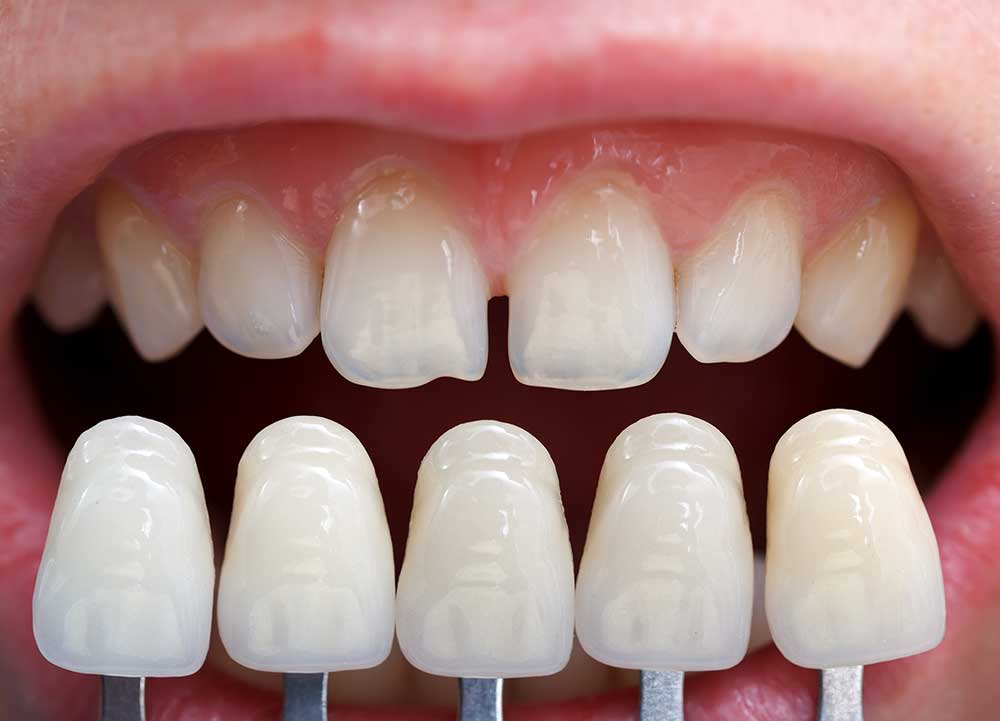
Emax and Empress are two different families of glass-ceramic materials used in aesthetic dentistry. Emax usually refers to lithium disilicate ceramic restorations, while Empress is associated with leucite-reinforced glass ceramics. In suitable patients, these materials can be used to restore tooth colour, shape and lost structure.
Choosing Emax or Empress is only one part of treatment planning. The choice depends on the remaining tooth structure, the size of the restoration, aesthetic expectations and the forces generated during chewing.
My aim is to plan a restoration that looks natural, preserves as much tooth structure as possible and meets the patient's functional needs.
What Is Emax?
Emax is the trade name of a ceramic system used in dentistry. In everyday use it usually refers to lithium disilicate glass-ceramic restorations. Lithium disilicate has distinctive mechanical and aesthetic properties and can be used for crowns, laminate veneers, inlays and onlays in suitable clinical situations. Emax restoration designs and indications vary. Thickness, tooth position and the fabrication method all influence how the material is used.
What Is Empress?
Empress is a material system associated particularly with leucite-reinforced glass-ceramic restorations. Leucite crystals influence the structural properties of the ceramic. Empress systems have been used in selected restorative applications because of their aesthetic properties. The two systems use different materials, and their mechanical properties and indications may vary. Patients should also understand the clinical need the restoration is intended to meet when discussing the brand and material.
How Do Emax and Empress Differ?
The main difference lies in the structural properties of the ceramics.
| Property | Emax | Empress |
|---|---|---|
| Base material | Usually lithium disilicate glass ceramic | Leucite-reinforced glass ceramic |
| Mechanical properties | Includes options that generally offer higher strength | More limited strength compared with lithium disilicate |
| Aesthetic properties | Available in different shades and translucencies | Glass-ceramic system known for its aesthetic properties |
| Uses | Crowns, veneers, inlays and onlays in suitable cases | Aesthetic and limited restorative applications in suitable cases |
| Material selection | Depends on clinical conditions | Depends on clinical conditions |
This comparison describes general material properties. The exact product, fabrication method and manufacturer's indications also need to be considered. Which option is more suitable and how long it will last depend on the individual case.
When Are Emax and Empress Used?
Glass-ceramic restorations may be considered for:
- Certain colour and shape differences in front teeth
- Limited or moderate loss of tooth structure
- Replacement of existing restorations
- Selected aesthetic crown restorations
- Inlays and onlays in suitable cases
- Laminate veneers on suitable teeth
Material choice varies with the clinical situation. For example, a composite restoration may be sufficient when only a small part of the tooth is missing. More extensive loss can warrant other ceramic or restorative options.
Who Is a Suitable Candidate?
Suitability depends on the condition of the patient's teeth. The assessment considers:
- Remaining sound tooth structure
- Amount of enamel and dentine
- Tooth position
- Required restoration thickness
- Bite relationships
- Aesthetic expectations
- Clenching or grinding habits
- Oral hygiene and gum health
Inadequate tooth support or excessive mechanical forces on the restoration may affect material selection. Aesthetic expectations are one factor in the decision.
What Is Assessed Before Treatment?
Remaining tooth structure
The clinician assesses how much sound tooth structure remains. Suitable tooth surfaces are especially important for adhesively bonded restorations. Adhesive bonding attaches the restoration to the tooth after specific surface preparation and use of a bonding system.
Tooth shade
The starting shade of the natural tooth, the ceramic's thickness and its translucency can influence the aesthetic outcome.
Gum health
The gum tissues are assessed to help plan a well-fitting restoration margin that can be cleaned.
Bite relationships
Contacts with opposing teeth and during jaw movements are assessed.
Patient expectations
The clinician considers whether the desired changes in colour and shape are feasible with the existing tooth structure.
How Are Emax and Empress Restorations Made?
1. Examination and treatment planning
The clinician examines the teeth and considers the need for restoration and the available alternatives.
2. Material selection
The ceramic system is selected according to tooth position, aesthetic needs and mechanical conditions.
3. Tooth preparation
Depending on the restoration design, some tooth structure may need to be removed. Very limited preparation can be sufficient for selected veneer restorations.
4. Impressions
Conventional or digital methods may be used to record the teeth.
5. Laboratory fabrication
The ceramic restoration is made using the selected material and fabrication method.
6. Try-in
The clinician checks fit, shade, shape and relationships with adjacent teeth.
7. Bonding
The restoration is attached using surface preparation and cementation appropriate to the material.
8. Final checks
The clinician checks bite contacts, the restoration surface and patient comfort.
How Long Does Treatment Take?
Treatment duration depends on the number of restorations and clinical conditions. Making one ceramic restoration and treating multiple teeth involve different processes. Gum treatment, treatment of decay or other preparation can extend the timeline. The number of visits is determined after examination.
Why Does Tooth Anatomy Matter?
Tooth shape serves functional as well as aesthetic purposes. The biting edges of front teeth, the cusps of back teeth and chewing surfaces have different functions. Reproducing natural tooth form therefore involves assessing function. For instance, changes in the length of front teeth should account for contacts during lower jaw movement. In back teeth, the shape of chewing surfaces and restoration thickness can have mechanical implications.
Understanding natural tooth anatomy is an important part of restorative planning in my Biofunctional Dentistry approach. I assess tooth position, chewing habits and biological conditions individually when choosing the anatomical form.
What Are the Benefits of Emax and Empress Restorations?
Aesthetic properties
An appropriate shade and thickness can help glass-ceramic restorations resemble natural teeth.
Translucency
Some glass-ceramic systems can help reproduce the optical properties of natural teeth.
Adhesive bonding
These materials can be bonded to the tooth surface in suitable clinical circumstances.
Conservative restoration options
Selected cases can be treated with a partial restoration. The extent to which these benefits can be achieved depends on each patient's circumstances.
What Are the Limitations?
Suitability varies by clinical situation. Adequate restoration thickness and support are important. Excessive forces or unsuitable designs can affect the risk of fracture. When natural tooth structure is removed, that preparation is irreversible. Preserving sound structure and considering alternatives are therefore important.
What Are the Risks?
Possible complications include:
- Ceramic fracture or cracking
- Detachment of the restoration
- Tooth sensitivity
- Problems with marginal fit
- Gum irritation
- Decay around the restoration
- Aesthetic results that fall short of expectations
Risk depends on the patient's tooth structure and the restoration used.
What Are the Alternatives?
Composite restorations
These may be used for small areas of lost tooth structure or limited aesthetic changes.
Zirconia restorations
These may be considered for particular mechanical requirements.
Porcelain-fused-to-metal crowns
These are a fixed restoration option in suitable clinical situations.
Orthodontic treatment
This may be considered when tooth position needs to change.
Tooth whitening
This may be a more conservative option when the concern is limited to shade.
How Should the Restorations Be Cared For?
Clean the restorations regularly through brushing and interdental cleaning. Avoid using your teeth to break hard objects. Protective measures may be considered for some patients who clench their teeth. Regular dental visits allow the dentist to assess the restorations and surrounding tissues.
When Should I See a Dentist?
Seek dental assessment if the restoration breaks or moves, or if persistent pain or significant sensitivity develops. Discomfort when biting or swelling of the gums also warrants assessment.
What Affects the Cost?
The cost depends on the ceramic system, restoration type, number of teeth, laboratory process and any additional procedures. A laminate veneer and a full crown, for example, have different designs. A definitive estimate can be given after examination and treatment planning.
Frequently Asked Questions
1. Are Emax and Empress the same?
They are different glass-ceramic systems with different material properties.
2. Is Emax porcelain?
Lithium disilicate restorations commonly called Emax belong to the glass-ceramic family. In everyday language they may be described as porcelain restorations.
3. Which is better, Emax or zirconia?
Each material is suited to different clinical situations. Tooth position, aesthetic requirements and mechanical conditions guide the decision.
4. Can an Emax restoration break?
Yes. Ceramic restorations can fracture under excessive forces or for other mechanical reasons.
5. Can Emax turn yellow?
Glass ceramics generally have good colour stability. Surface staining or colour changes around the restoration can still occur.
6. Does the tooth need to be reduced for Emax?
Tooth preparation may be needed depending on the type of restoration. Very limited reduction can be sufficient in selected cases.
7. Is Empress still used?
There are material systems associated with the Empress name. Current products and their indications should be confirmed against the manufacturer and the material's properties.
8. Can Emax be used on front teeth?
Yes. It can be used for anterior restorations in suitable clinical situations.
9. Can Emax be used on back teeth?
It can be used in selected cases. Restoration type, thickness and chewing forces must be assessed.
10. How long does Emax last?
Service life depends on restoration design, oral care and individual factors. A specific lifespan cannot be guaranteed.
11. Can Emax look natural?
With appropriate shade, thickness and design, restorations can be made to resemble natural teeth.
12. Is treatment with Emax or Empress painful?
Local anaesthesia may be used during preparation when needed. Temporary sensitivity can occur afterwards.